

What Are Braces?
Braces are orthodontic appliances designed to gradually move teeth into their ideal positions by applying gentle, controlled pressure over time. Besides creating a straighter smile, orthodontic treatment also improves bite function, enhances facial aesthetics, and promotes better long-term oral health.
Modern orthodontics not only focuses on cosmetic improvements but also helps prevent dental and jaw-related problems that may develop later in life
Who Should Consider Orthodontic Treatment?
Your orthodontist may recommend braces if you have one or more of the following conditions:
- Crooked or crowded teeth
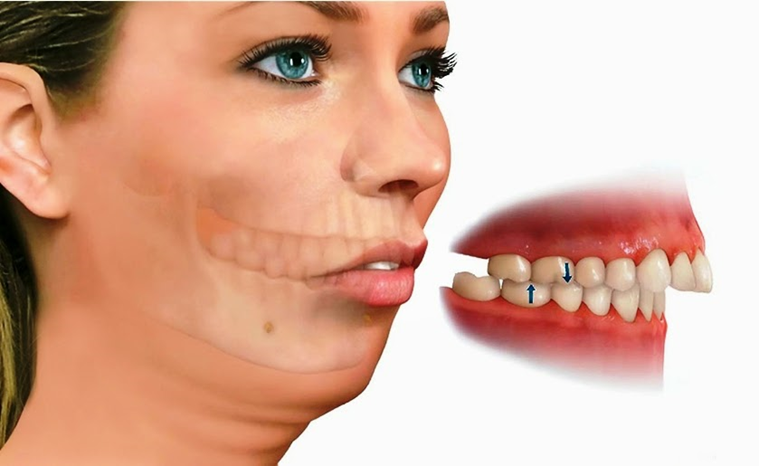
- Bite problems (malocclusion), including overbite, underbite, crossbite, or open bite
- Gaps or spaces between teeth
- Missing teeth or congenitally missing teeth affecting bite alignment
- Impacted teeth or teeth growing in abnormal positions
An orthodontic consultation can determine the severity of your condition and identify the most suitable treatment plan.
What Happens If You Don't Get Braces?
Ignoring orthodontic issues can lead to more than just cosmetic concerns. Misaligned teeth and bite problems may contribute to various oral health complications, including:
- Difficulty cleaning teeth, increasing the risk of cavities
- Gum disease caused by plaque accumulation
- Premature tooth wear or tooth loss
- Jaw joint disorders (TMJ-related problems)
- Difficulty chewing food efficiently
- Speech difficulties
- Lower self-confidence due to smile appearance
Early orthodontic treatment can often prevent these problems and reduce the need for more complex dental procedures in the future.
Types of Orthodontic Braces
There are several orthodontic treatment options available today. Your orthodontist will recommend the most appropriate solution based on:
- Your dental condition
- The complexity of tooth movement required
- Your lifestyle and aesthetic preferences
- Your treatment goals
- Your budget
Orthodontic treatments are generally divided into two main categories:
- Traditional braces
- Clear aligners (invisible braces)
Let's explore each option in more detail.
Traditional Braces
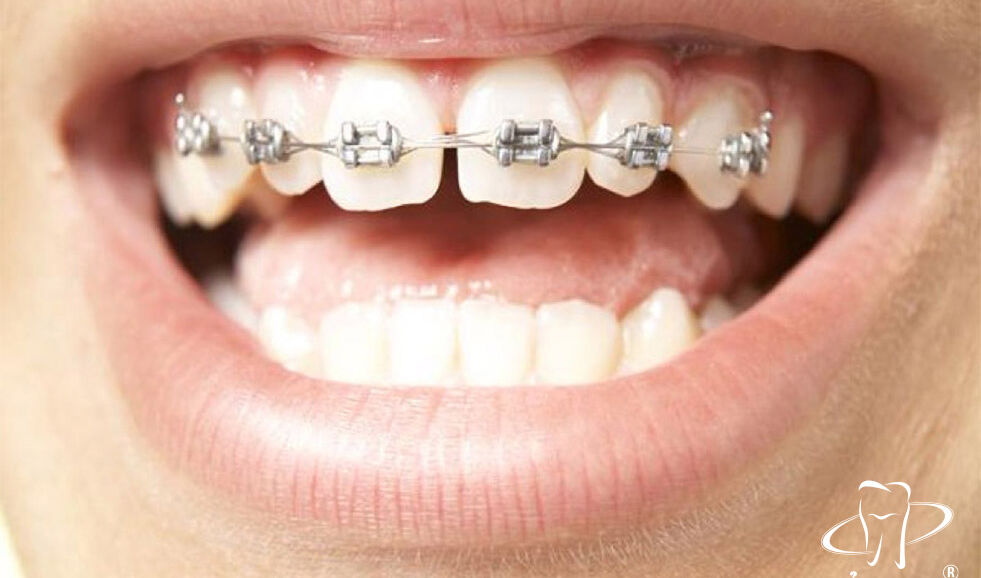
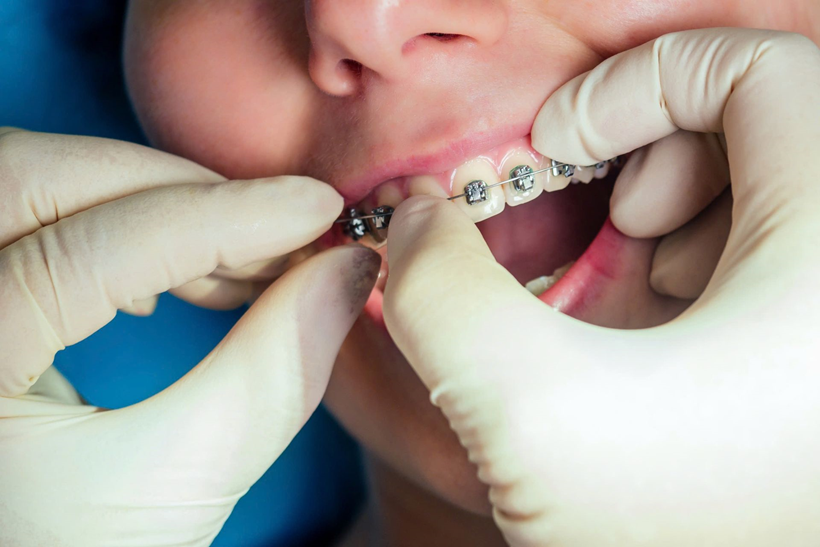
Traditional braces use brackets and archwires to gradually move teeth into their correct positions. Brackets are bonded to the teeth while the archwire applies continuous pressure, allowing teeth to shift safely and predictably.
Metal Braces
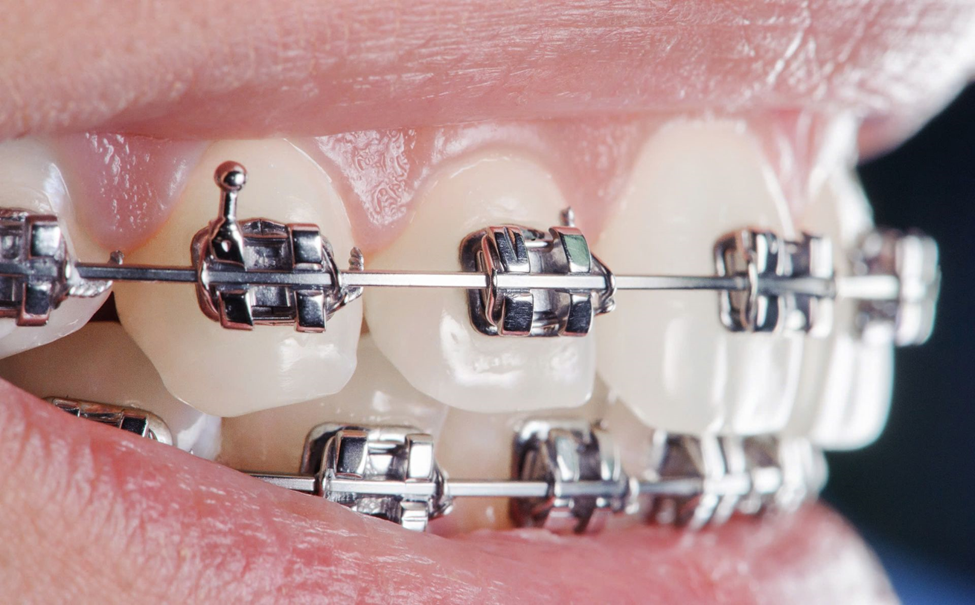
Metal braces remain the most commonly used orthodontic treatment worldwide. They consist of high-quality stainless-steel brackets and archwires that provide precise and efficient tooth movement.
This option is particularly suitable for children, teenagers, and adults with moderate to severe orthodontic problems because it can successfully treat almost every type of malocclusion.
Modern metal braces have evolved significantly. Today's brackets are smaller, smoother, and more comfortable than previous generations. Advanced heat-activated archwires respond to body temperature, helping teeth move more efficiently while reducing discomfort during treatment.
Ceramic Braces
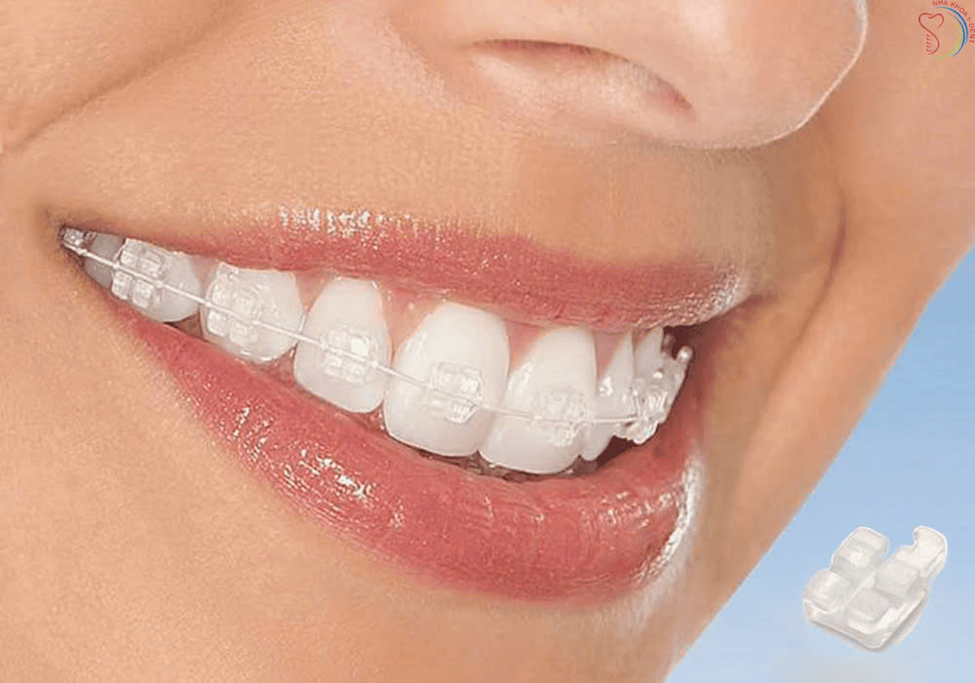
Ceramic braces function similarly to metal braces but use tooth-colored ceramic brackets that blend naturally with your teeth.
Because they are much less noticeable, ceramic braces are an excellent choice for adults and professionals who want a more discreet orthodontic solution without compromising treatment effectiveness.
Treatment outcomes and duration are generally comparable to those of traditional metal braces.
Self-Ligating Braces
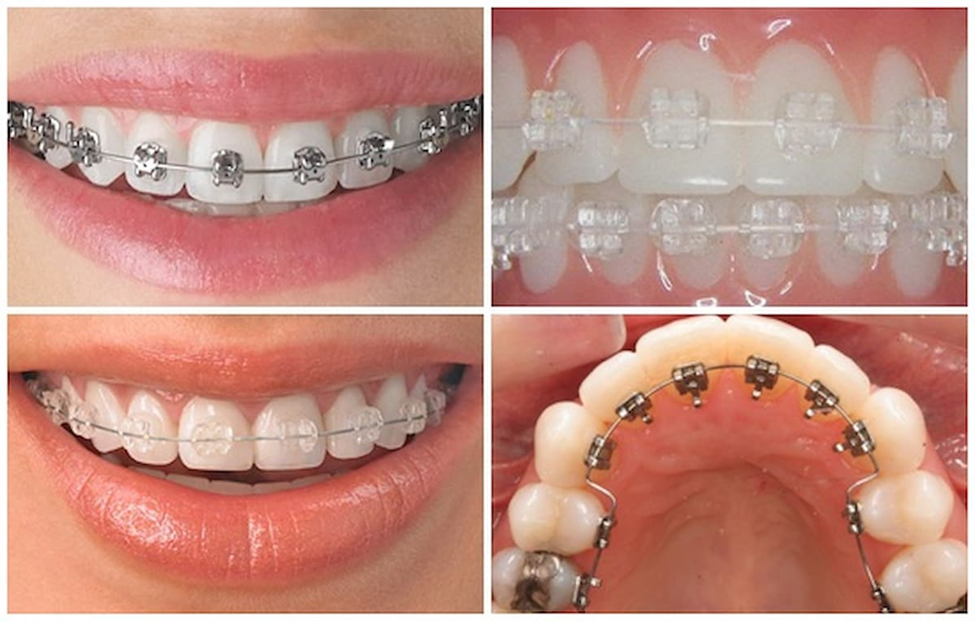
Self-ligating braces represent an advanced version of traditional braces.
Instead of elastic bands holding the archwire in place, self-ligating brackets feature a built-in sliding mechanism that allows the wire to move more freely.
This design reduces friction between the wire and brackets, allowing teeth to move more efficiently while maintaining continuous, gentle pressure.
Many orthodontists recommend self-ligating braces because they often require fewer adjustment appointments and may shorten overall treatment time.
Self-ligating braces are available in both metal and ceramic versions.
Lingual Braces
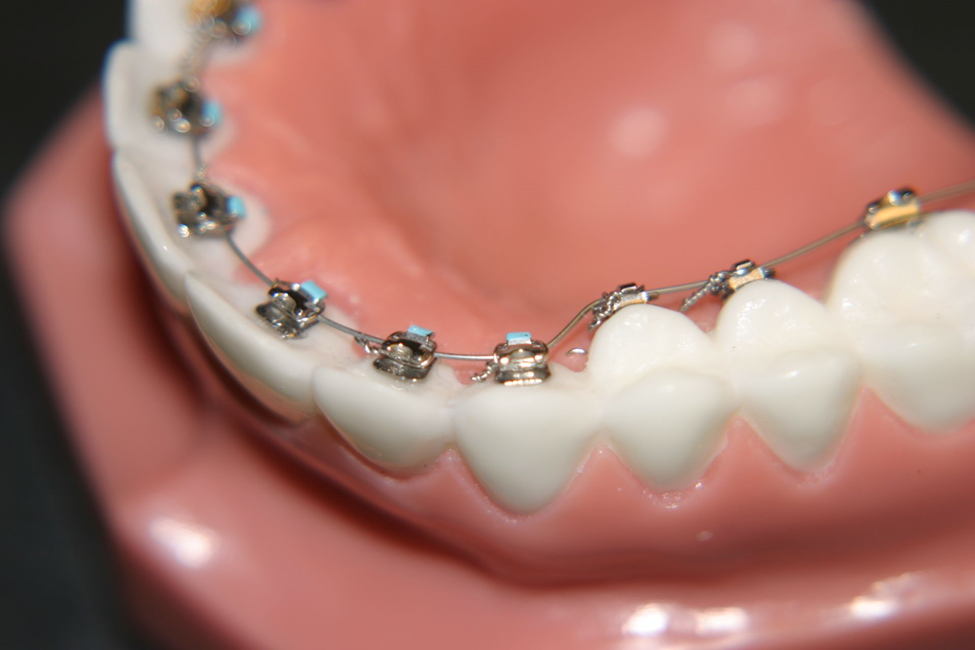
Lingual braces work similarly to conventional braces but are attached to the inner (tongue-facing) surfaces of the teeth.
Since they remain completely hidden when you smile or speak, lingual braces are one of the most discreet orthodontic treatment options available.
Clear Aligners (Invisible Braces)
Clear aligners have become one of the fastest-growing orthodontic treatments worldwide.
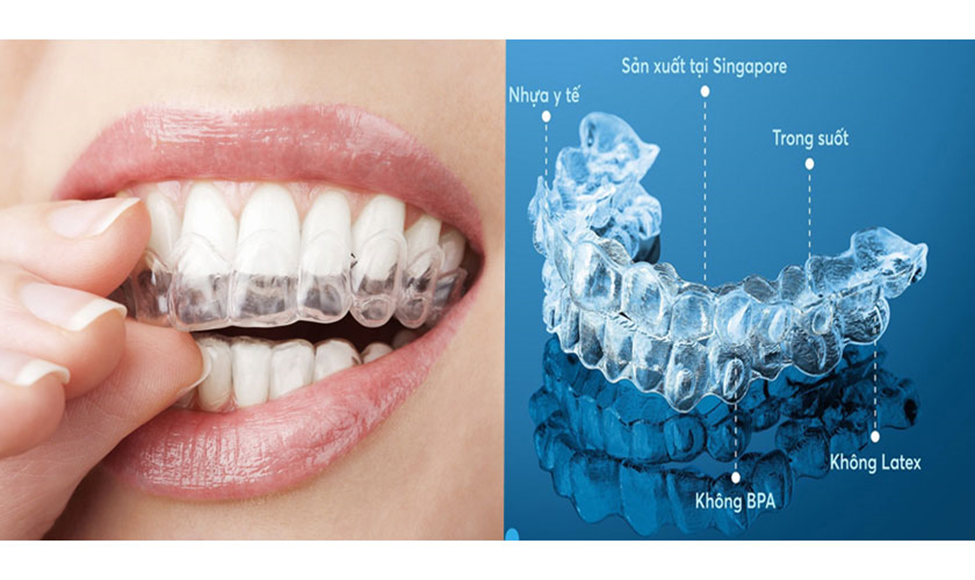
Unlike traditional braces, clear aligners use a series of custom-made transparent trays instead of brackets and wires. Each aligner gradually moves the teeth into better alignment according to a digitally planned treatment sequence.
Patients wear each set of aligners for approximately one to two weeks before progressing to the next set.
Several clear aligner systems are available today, including Invisalign, Clear Aligner, eCligner, and Invitech. Among these, Invisalign is the most widely recognized and extensively researched system...